hello@eethen.com

Responsible production

Ethical manufacturing, built into how we place orders

A compliance certificate collected after the fact protects nobody. At EETHEN, social and technical compliance is a condition of order placement a factory that is not audited does not receive a booking.

Four commitments

What responsible manufacturing means here

Not a statement of intent a set of controls that run on every order, in every category, at every partner facility.

01

People in the supply chain

The people who make the garment are the first test of whether a factory is fit to hold your order.

  • Documented working hours, wage records and overtime control
  • Age verification and no-child-labour policy without exception
  • Freedom of association and functioning grievance mechanisms
  • Fire, electrical and building safety inspection records
  • Corrective action plans tracked to closure, not filed away
02

Materials & chemistry

What goes into the garment is controlled from the yarn stage, so nothing has to be caught at final inspection.

  • Restricted substance list applied to fabrics, trims and prints
  • Azo-free dyes, low-formaldehyde and phthalate-free finishes
  • Certified organic, recycled and responsibly sourced fibre options
  • Accredited third-party testing before bulk approval
  • Nickel-free hardware and metal detection on childrenswear
03

Water, energy & waste

Denim and dyeing are where apparel's environmental cost concentrates. That is where we push hardest.

  • Laser whiskering and ozone bleaching in place of manual chemical wash
  • Low-liquor-ratio machines and nebulisation finishing
  • Effluent treatment plants at all wet-processing partners
  • Marker efficiency targets to reduce cutting waste
  • Recycled and reduced packaging, including polybag alternatives
04

Transparency & traceability

You should be able to answer where a garment came from — and so should we.

  • Named factory disclosure for every order
  • Yarn, fabric and wet-processing origin recorded per style
  • Test reports and inspection results retained per shipment
  • Transaction certificates supplied for certified materials
  • Buyer audits and unannounced visits welcomed

Preferred materials

Certified and lower-impact fibre options

Available across every category. Where a buyer requires certification, transaction certificates are supplied with the shipment documentation.

Lower-impact material options by apparel category
Material Typical standard Used in
Organic cottonGOTS / OCSDenim, sweaters, workwear linings
Recycled cottonGRS / RCSDenim, sweatshirts, workwear
Recycled polyesterGRS / RCSOuterwear shells, outdoor apparel, fleece, fill
Responsible downRDSPadded jackets, puffers, gilets
Responsible woolRWSSweaters, overcoats
Certified man-made cellulosicsFSC / PEFC pulpViscose and lyocell blends, lightweight denim
Product safety testingOEKO-TEX® STANDARD 100 principlesAll categories, mandatory on childrenswear

Certification availability depends on the mill, the colour and the booking window. Confirm requirements at costing stage so the correct supply chain is selected from the start.

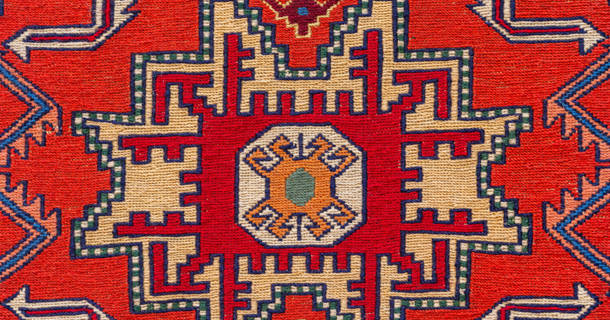
Detail of a woven textile showing a traditional geometric pattern and yarn structure
Woven structure — fibre choice starts at the yarn

Where it matters most

Cleaner denim finishing

A single pair of conventionally finished jeans can consume a startling volume of water and chemistry. Modern finishing technology changes that arithmetic.

Our denim partners run laser whiskering and distressing, ozone bleaching, nebulisation and low-liquor-ratio washing machines. The result is the same hand-feel and visual character with materially lower water, chemical and energy consumption and without the manual sanding practices that put operators at risk.

  • Laser replaces manual sanding and potassium permanganate spraying
  • Ozone bleaching removes the need for repeated rinse cycles
  • Low-liquor-ratio machines cut water per garment substantially
  • Effluent treated on site before discharge, with records retained

Due diligence

What buyers ask us

If your compliance team needs documentation we have not listed here, ask we would rather send it up front than at audit.

Are your partner factories audited?

Yes. Every associate partner factory is audited before it receives an order booking, and re-audited on schedule. Findings are tracked to closure through a documented corrective action plan rather than simply recorded.

Can you supply certified sustainable materials?

Yes — organic and recycled cotton, recycled polyester, responsibly sourced down and certified wool. Transaction certificates are supplied with the shipment where required. Confirm this at costing stage so the right mill is booked.

How do you reduce water use in denim finishing?

Through laser whiskering, ozone bleaching, nebulisation and low-liquor-ratio machines, which reduce water, chemical and energy consumption compared with conventional stone and chemical washing.

Do you provide traceability documentation?

Yes. Every order carries a traceability file recording yarn and fabric origin, the assigned factory, wet-processing units, test reports and inspection results — so any carton can be traced back to its inputs.

Will you accept our own audit or code of conduct?

Yes. We work to buyer codes of conduct and accommodate buyer-led or nominated third-party audits, including unannounced visits, at any partner facility holding your order.

Work with us

Compliance you can hand to your buyer

Tell us the standards your customer requires and we will confirm, before costing, exactly which of our facilities and mills can meet them.